Training material for the day it’s needed, not the day it’s delivered.
Most training is built for the room it’s delivered in. The useful part is needed three weeks later, on site, by someone who wasn’t there.
Someone experienced spends a week preparing. The session goes well. People leave with a folder, a slide deck and a good feeling.
Three weeks later somebody is standing in front of the actual job with an actual question, and the folder is on a shared drive they can’t reach from their phone. So they ring the person who ran the session.
Built as an event
That isn’t a training failure. The material was fine. It was built as an event rather than as something to reach for: forty slides that only make sense if you were in the room, and a handout that assumes the trainer is there to explain it.
The knowledge was transferred. It just isn’t available where the work happens.
A small cost, paid over and over
Every week, the same handful of questions reach the same experienced person. Every new starter spends months getting up to speed, mostly by asking colleagues. Every time a procedure changes, what people actually do drifts a little further from what the document says. And every time someone leaves, part of how the work is done leaves with them.
The best training material stands on its own for someone who wasn’t there.
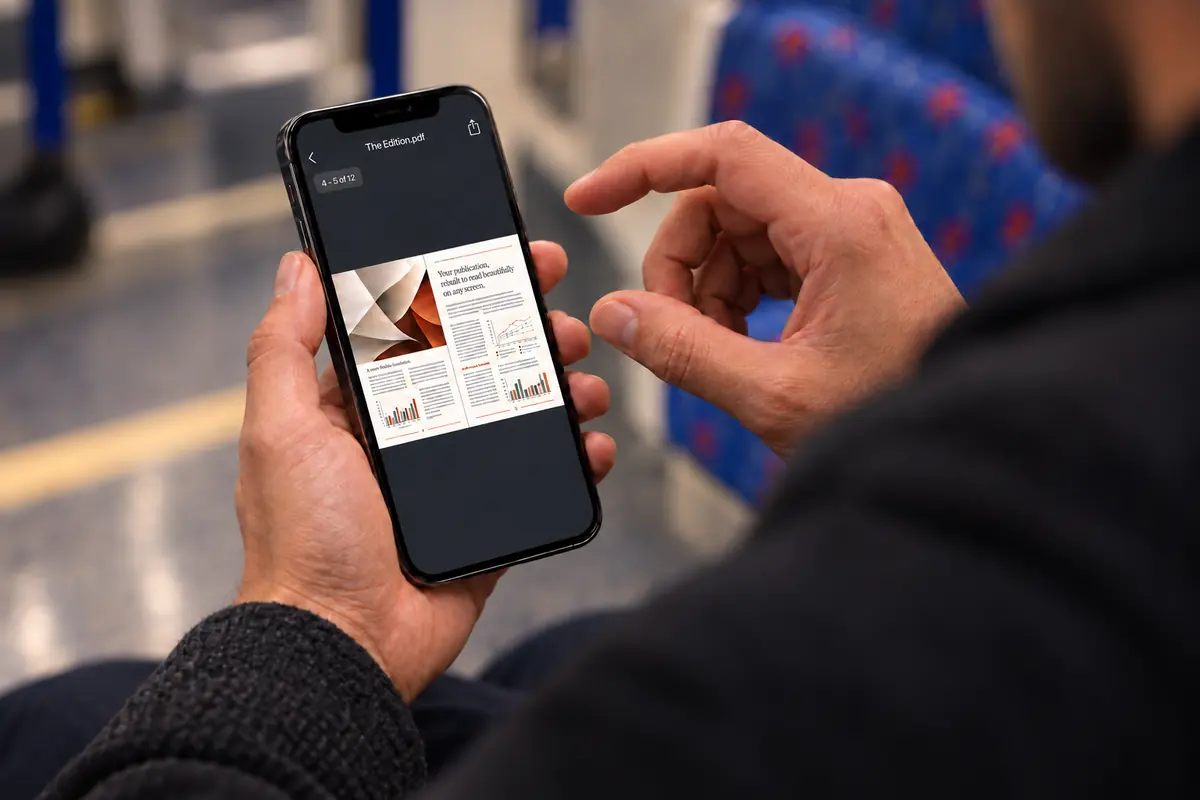
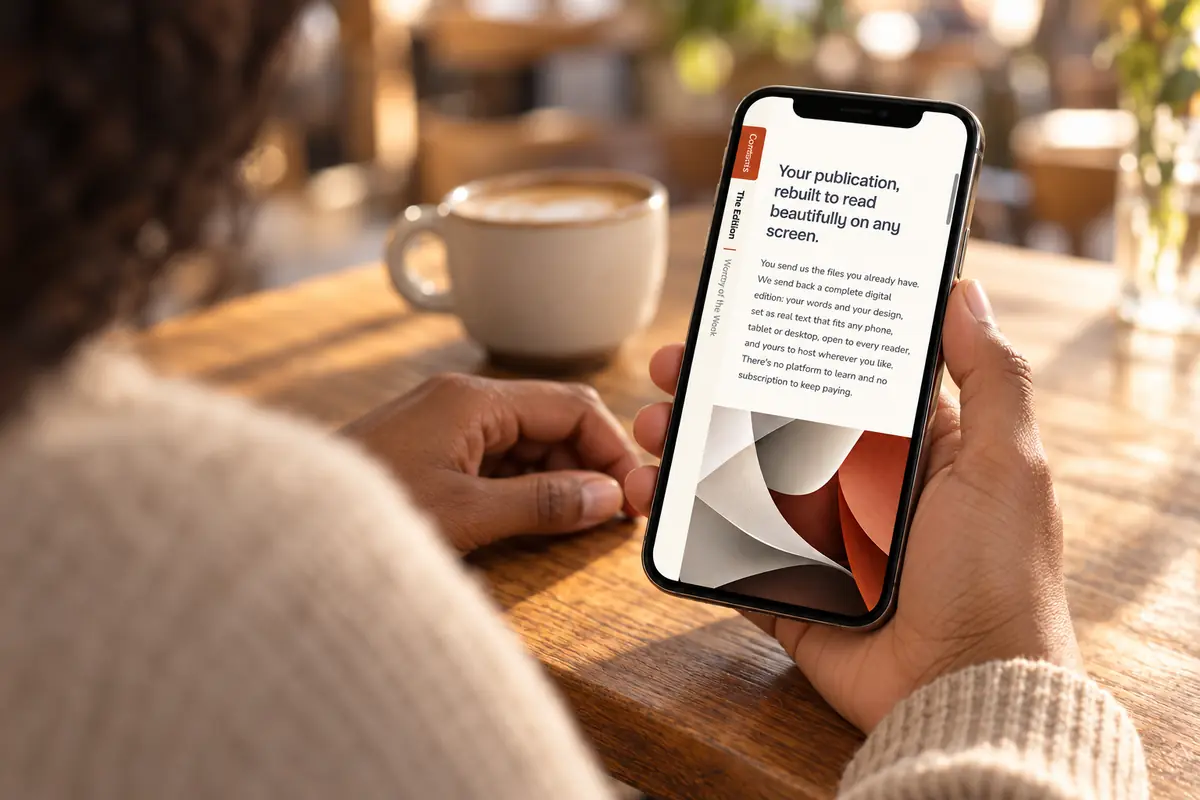
A handbook made as an Edition
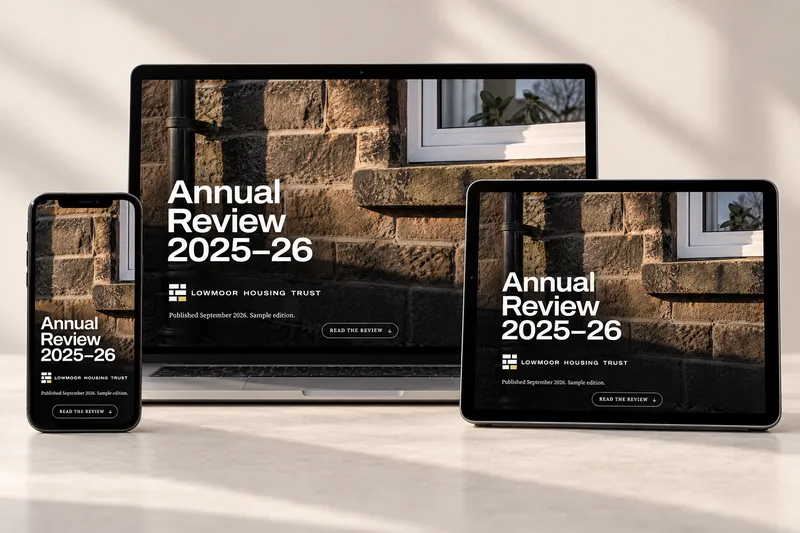
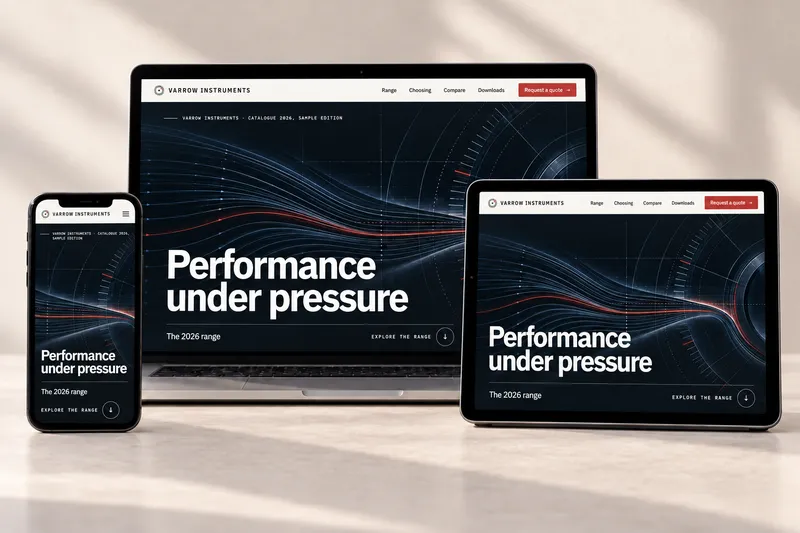
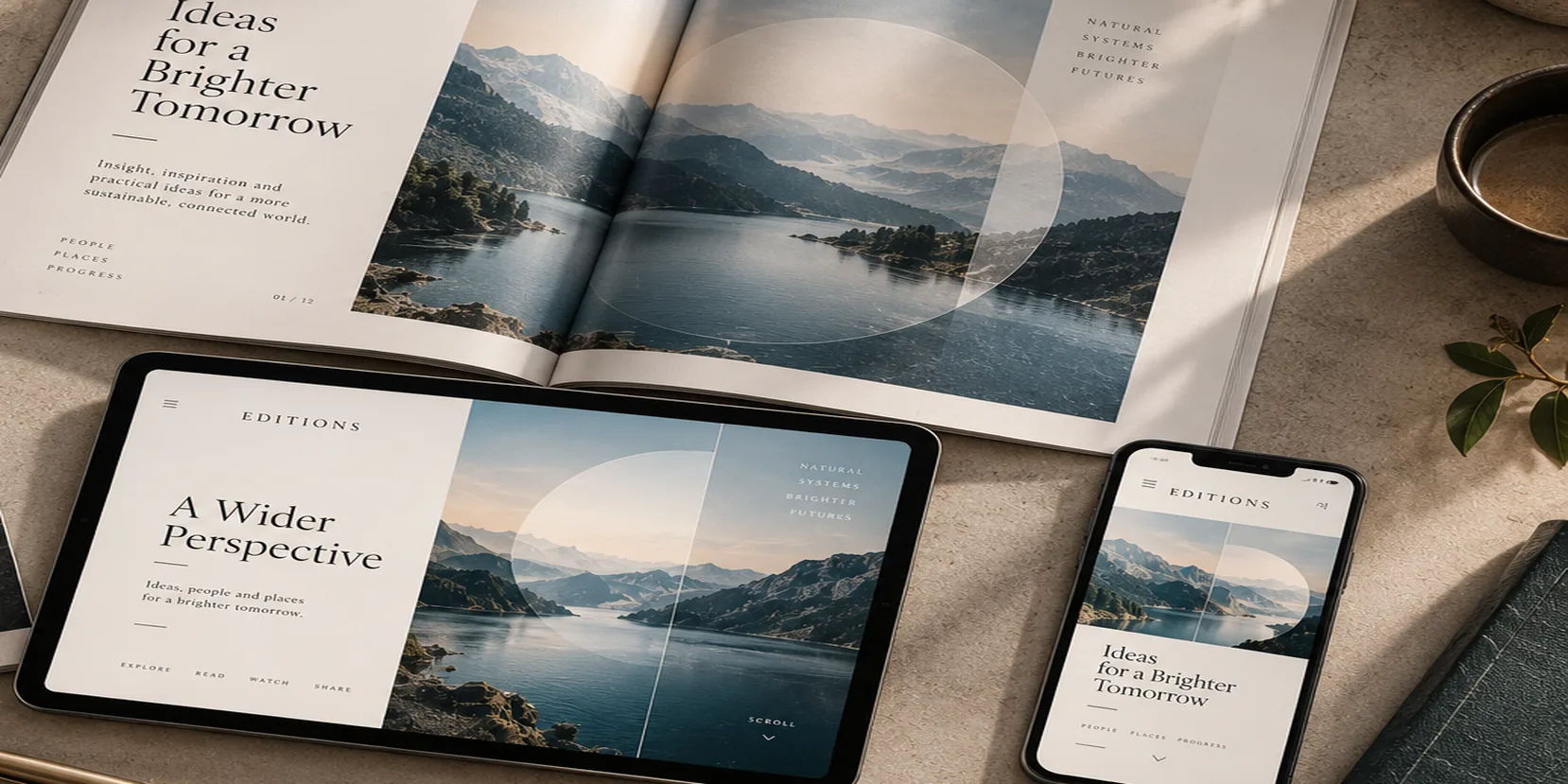
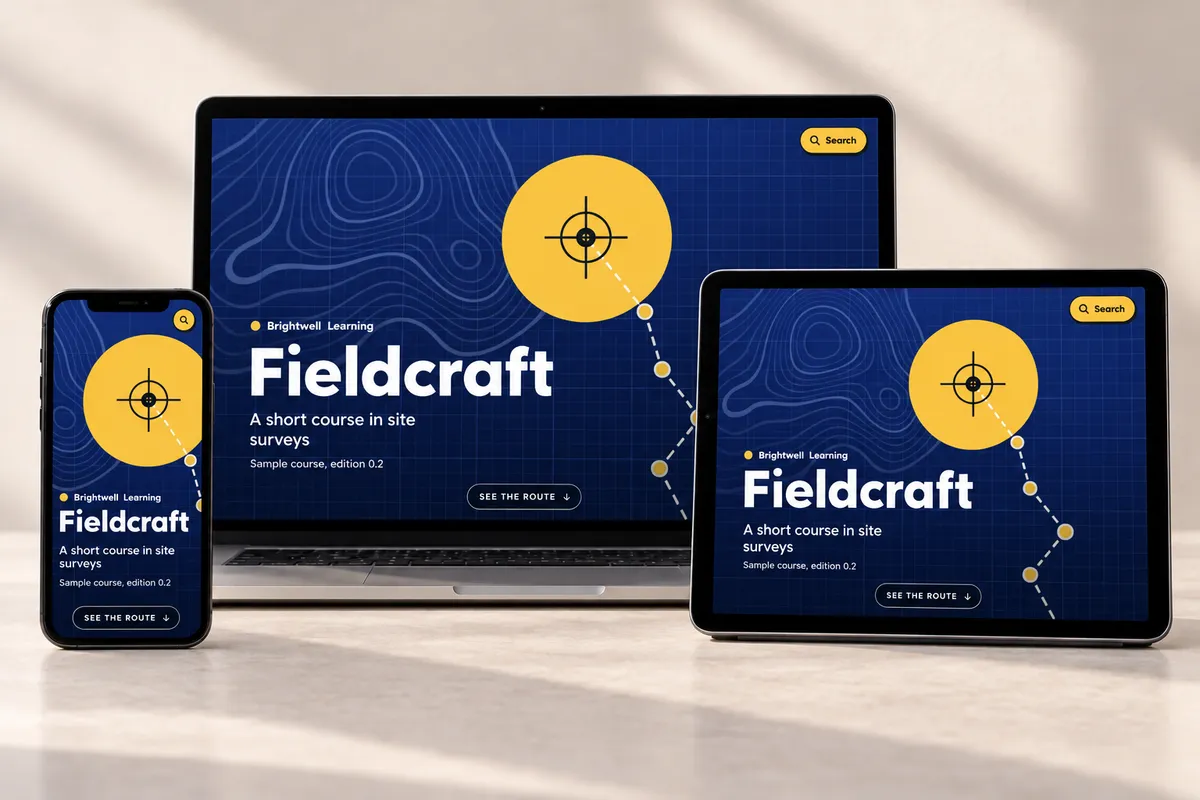
An Edition turns your course material, handbook or procedure guide into something people can use on the device they have with them. It works as a taught session and stands up on its own afterwards: structured, clear and easy to use in the classroom or in the field.
Search takes people straight to the step they need, without having to know what the thing is called. Instruction sequences walk through installation, commissioning or maintenance one step at a time. Quizzes let a new starter check what’s gone in. None of it needs a login, a seat licence or a learning platform.
When a procedure changes, the Edition changes once and everyone has the current version. Hosted with us, every version is kept, so you can show which procedure was in force when.
Start with the questions you get
The best place to begin isn’t a syllabus. It’s the list of things people ask after the training is over. That list already exists, usually in somebody’s inbox.
We work with the person who knows the work and take the writing and structuring off their hands. Usually that’s a couple of conversations, not a couple of months.
- Course material that works in the room and afterwards.
- Takeaway guides people can follow on a phone, on the job.
- Search, instruction sequences and quizzes where they help.
- Updated once, current for everyone, and owned outright.
We’re a particularly good fit where the expertise sits with a few people: manufacturers training distributors and installers, firms bringing new people up to speed, and operations teams whose procedures matter and change. Tell us the question your experienced people answer most often. That’s usually the first guide.
 (opens in a new tab)